Thrifting for Absolute Beginners: What You Really Need to Know
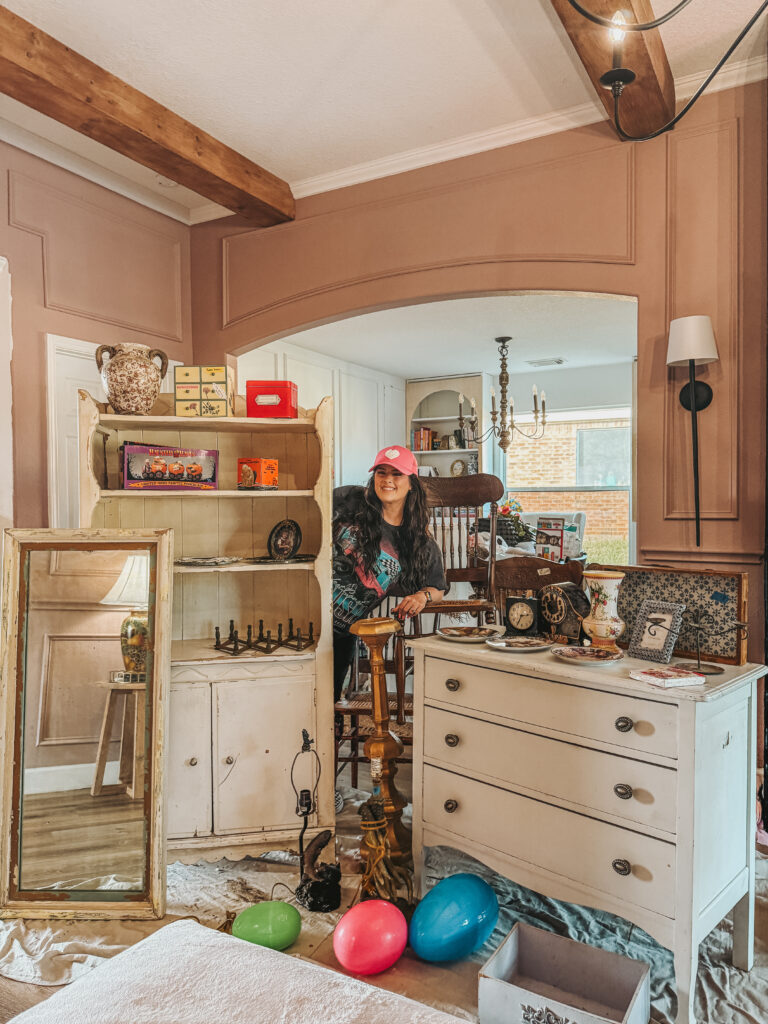
If you’re new to thrifting—like, truly new—this section is for you. I’m breaking down all the basics: what counts as a “thrift store,” what to expect, what to wear, how to negotiate, and how to spot a hidden gem in a sea of clutter.
First Things First: What Is a Thrift Store?
When people say “thrift store,” they’re often referring to a wide range of secondhand shops. But these stores go by a lot of different names—and each one operates a little differently.
Here’s a breakdown of the most common types:
⸻
- Thrift Stores (aka Resale Shops, Charity Shops)
Examples: Goodwill, Salvation Army, local church thrift stores, DAV, etc.
These are donation-based stores that sell used items to fund a nonprofit cause. Prices are usually low, and inventory changes daily.
What to expect:
• Prices are usually fixed (no negotiating).
• Items range from clothes and furniture to books, home decor, and electronics.
• They’re often organized by department, but still feel a little chaotic—and that’s part of the thrill.
Best for: Beginners, budget shopping, DIYers looking for furniture flips.
⸻
- Consignment Stores
Examples: Plato’s Closet, Once Upon a Child, small boutique consignment shops
These shops don’t rely on donations—they sell items on behalf of people and split the profit. So inventory is often more curated, modern, and seasonally relevant.
What to expect:
• Higher prices than a thrift store, but better quality and condition.
• Often limited to clothing, shoes, and accessories.
• They may only accept certain brands or items in perfect condition.
Best for: Fashion finds, brand-name items, lightly used clothing.
⸻
- Vintage Shops
Examples: Specialty boutiques, curated antique fashion stores, retro home decor shops
These are small, curated shops that focus on older pieces—usually from the ’50s to the ’90s—that are now considered trendy or collectible.
What to expect:
• Higher prices, but intentionally styled spaces.
• Great for aesthetics—these stores are like Pinterest boards IRL.
• Limited inventory, but each piece is unique.
Best for: One-of-a-kind clothing, funky furniture, statement decor.
⸻
- Antique Stores
Examples: Local antique malls, booths, or barn-style shops
Antique stores usually specialize in older items (often 50+ years old) that hold value because of rarity, craftsmanship, or history.
What to expect:
• Prices vary wildly—some are incredibly affordable, others are collector-level expensive.
• You can often negotiate here—more on that below!
• Items include furniture, art, collectibles, and vintage home goods.
Best for: Statement furniture, history lovers, traditional decor.
⸻
- Estate Sales / Yard Sales / Garage Sales
Yes, these count! Estate sales often happen when someone is downsizing or clearing out a full home, and garage/yard sales are neighborhood-level pop-ups.
What to expect:
• Cash is usually preferred.
• Prices are rarely marked—so be ready to ask and negotiate.
• You never know what you’ll find—it’s a true treasure hunt.
Best for: Furniture, art, books, tools, seasonal decor, and deals!
⸻
What to Wear (and Bring!) When You Go Thrifting
This might sound silly, but preparation matters. Here’s what I always bring:
• Crossbody bag (keep your hands free)
• Phone (for notes, measuring apps, or Pinterest inspo)
• Measuring tape
• Hand sanitizer
• Reusable tote or bin
• Small flashlight (especially at antique booths where lighting is poor)
• Water bottle (you’ll be in there longer than you think!)
And if you’re hunting for furniture or large pieces, bring:
• Blanket or towel (for your car seats)
• Bungee cords or straps
⸻
Thrift Store Negotiation: YES, You Can Ask for a Discount—Here’s How
Let’s talk strategy. Because negotiating at a secondhand shop is a skill—and when done respectfully, it works like magic.
Where You Can’t Negotiate:
• Big chain thrift stores (like Goodwill or Salvation Army): prices are set by corporate or volunteers and aren’t negotiable.
• Consignment stores: because they’re selling on behalf of someone, they usually can’t budge on price.
Where You Can Negotiate:
• Antique stores
• Flea markets
• Estate sales
• Privately-owned vintage/thrift shops
• Booths inside antique malls (especially if there’s a sign that says “make an offer”)
My Go-To Strategy:
Let’s say I want three items, each priced at $10. I’ll say:
“Would you take $20 for all three?”
It’s respectful, simple, and most sellers will at least consider it—especially if the items have been sitting awhile.
Bonus Tip: Have a number in your mind that you really want to pay—but offer slightly lower.
If I want to pay $30, I offer $20–25. That way, if they counter up, I still land where I wanted—and they feel like they “won.”
That’s negotiation 101.
When I Don’t Negotiate:
If the price feels fair or even underpriced, I don’t ask for a deal. Especially at charity shops or small businesses, I’m happy to pay full price to support them.
⸻
Next Up: What to Look For (Even If You Don’t Know What You’re Doing)
If you’re not sure where to begin, look for these universal thrift goldmines:
• Solid wood furniture – Sand it, paint it, flip it.
• Frames – Art you don’t like? Pop it out and reuse the frame.
• Brass candlesticks – These are back in style and work in any space.
• Ceramic pitchers / vases – Great for floral arrangements or shelf styling.
• Seasonal decor – Holiday stuff is so overpriced new. Thrift it!
• Books – Stack for decor, hollow out for storage, or display with the covers off for a neutral aesthetic.
⸻
Stay Tuned: What I’m Doing with My Haul
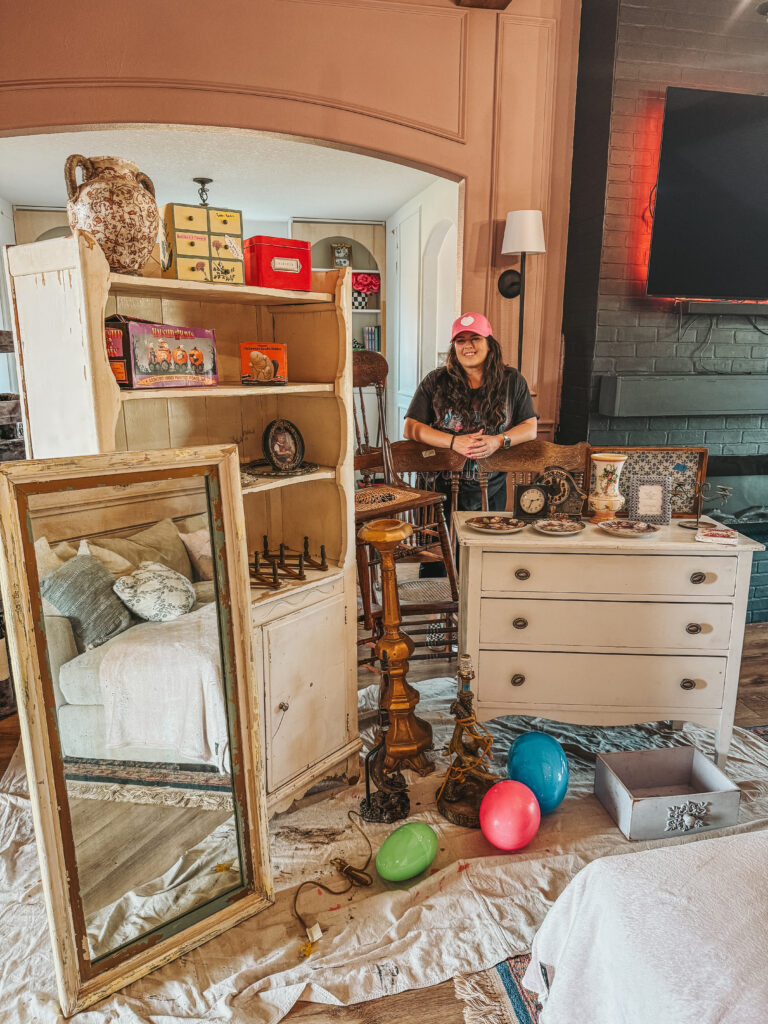
• The Cabinet: Going full-on retro poolside for the back porch. Think: bright pink, funky hardware, for goggles, and sunblock- basically my cabana cabinet.
• The Mirror: Saving this one for a haunted DIY Halloween moment.
• The Dresser: A future entryway glow-up. Maybe paint, maybe some furniture appliqués… we’ll see.
• The Chairs: Breakfast nook perfection. I’ll reupholster with cozy, neutral fabric and add cushions.
⸻
Final Thoughts: Thrifting Is for Everyone
Whether you’re on a budget, love a good project, or just want your home to have more personality—thrifting is for you.
It’s not about perfection. It’s about potential.
So if you’ve been nervous to try, this is your sign. Grab a friend, head to your local secondhand spot, and just explore. You don’t have to buy anything the first time. You’re just training your eyes to spot the good stuff.
⸻
And if you DO score something fun… tag me! I want to see your flips, hauls, and all the creative ways you’re turning secondhand into showstopping. Follow me on Instagram @AshtonSedita for inspo, transformations, and real talk about all things creative, cozy, and DIY.
XOXO, Ashton